Congress pauses demand to release Epstein files in order to block release of congressional sex abuse files
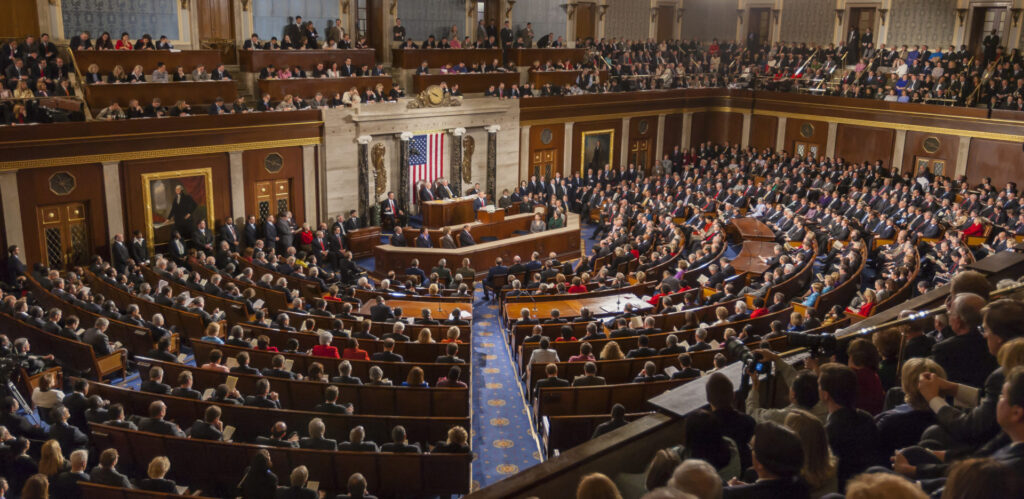
In a stunning display of bipartisan unity rarely seen outside of pork-barrel spending bills, the United States House of Representatives today paused its relentless campaign for the full, unredacted release of Jeffrey Epstein’s client list long enough to overwhelmingly vote down a measure that would have forced the public disclosure of its own internal sexual misconduct reports.
The 357-65 vote—roughly the margin one might expect if the question were “Should gravity continue?”—referred Rep. Nancy Mace’s resolution to the very Ethics Committee it sought to expose, effectively burying it in the same dusty drawer where congressional accountability goes to retire.
For months, members from both sides of the aisle had thundered about transparency in the Epstein files, insisting that no powerful figure should escape scrutiny for associations with the late financier’s trafficking network. Demands echoed through hearings, press conferences, and late-night X threads: “Release the files! The American people deserve to know!”
Yet when the spotlight swung inward—toward allegations of harassment, inappropriate relationships with staff, and the quiet settlements paid with taxpayer dollars—the chamber discovered a sudden, profound respect for privacy, victim retraumatization concerns, and the delicate art of chilling witness cooperation.
“Transparency is vital,” one anonymous lawmaker reportedly whispered to a colleague, “but only when it’s someone else’s secrets.”
Ethics Committee leaders had warned that releasing the reports could deter future victims from coming forward, a principled stand that coincidentally protects the very institution accused of fostering the problem in the first place. Supporters of the block praised the move as “measured” and “responsible,” words rarely applied to Congress but apparently perfect when the subject is self-preservation.
Meanwhile, the Epstein files remain a national obsession, with fresh subpoenas flying and legislation still demanding every last redaction-free page. The juxtaposition has led some observers to conclude that while Congress believes certain predators must be exposed at all costs, others are best left to the tender mercies of internal review and indefinite committee referral.
In related news, the House cafeteria today introduced a new special: “Selective Outrage Soup,” served with a generous side of hypocrisy croutons and a complimentary finger-wag at the Department of Justice.
When reached for comment, a spokesperson for the institution declined, citing concerns that answering questions might chill future non-answers.

About Author