Europe Horrified That Attacker Wasn’t CIS White Man
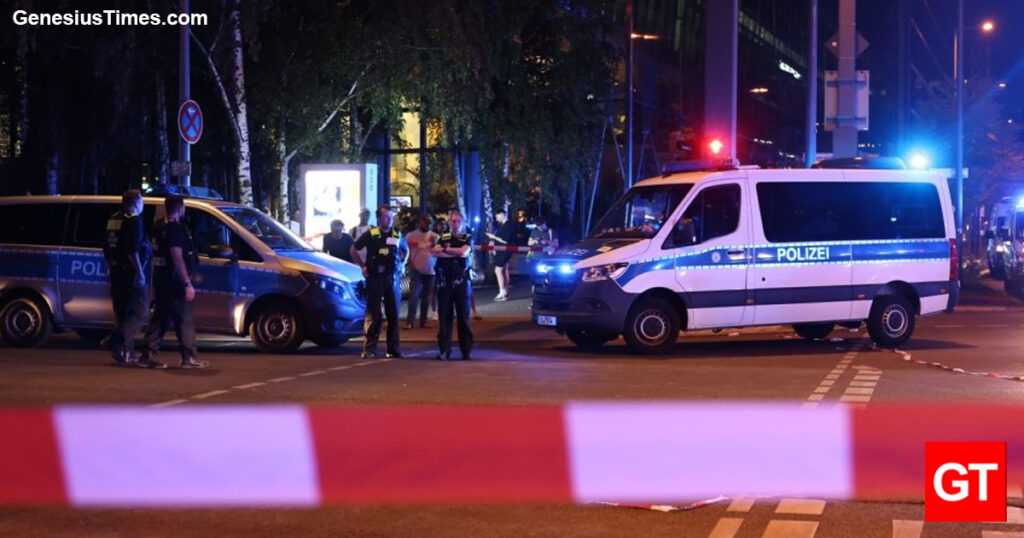
EUROPE—Officials, media commentators, and progressive advocacy groups reacted with visible dismay this week after authorities confirmed that the individual responsible for a recent violent incident in a major European city did not, in fact, belong to the statistical category long designated as the primary source of societal threat.
Initial coverage had proceeded along familiar lines. Early reports emphasized the need for calm, the importance of not rushing to judgment, and the broader structural conditions that produce such events. Expert panels were hastily assembled. Think pieces were commissioned. The usual suspects were placed on standby.
Then the details emerged.
The perpetrator, it turned out, was neither cisgender nor white nor male in the precise combination required for maximum narrative utility. Even worse, the attacker wasn’t even Christian. The revelation prompted an abrupt recalibration across newsrooms and ministries.
“This is deeply inconvenient,” said one senior Commission spokesperson, speaking on condition of anonymity. “We had prepared extensive talking points about toxic masculinity, colonial legacies, and the urgent need for further education programs targeting the usual cohort. Now the entire package requires rewriting.”
Local politicians expressed similar frustration. In several capitals, scheduled vigils were quietly scaled back. Hashtags that had been trending in the first hours began to lose momentum. A number of high-profile commentators who had already issued statements of the “this is what happens when…” variety found themselves forced into the awkward position of either deleting posts or appending lengthy clarifications.
Security analysts noted that the absence of the preferred demographic profile complicated the standard policy recommendations. Calls for expanded community outreach, additional sensitivity training, and renewed examination of historical grievances appeared less immediately applicable. One Brussels-based researcher observed that the data point “does not align with the models we have spent years refining.”
Public reaction has been mixed. Ordinary residents in the affected neighborhood largely continued to focus on the more prosaic questions of motive, opportunity, and prevention. Elite discourse, however, remained preoccupied with the representational shortfall.
“It’s not that the violence itself is the problem,” explained a prominent activist who requested not to be named. “It’s that the wrong person did it. When the wrong person does it, the story becomes much harder to tell correctly.”
As of press time, several governments were still working to develop messaging that could simultaneously condemn the act while preserving the integrity of the preferred explanatory framework. No timeline has been announced for when a more convenient perpetrator might be available.

About Author